Double-check the cashier at 3 taps—the bank app takes 11
The three-tap cashier hides an eleven-tap bank app reality, and that gap is the real cost of an online casino withdrawal in Australia
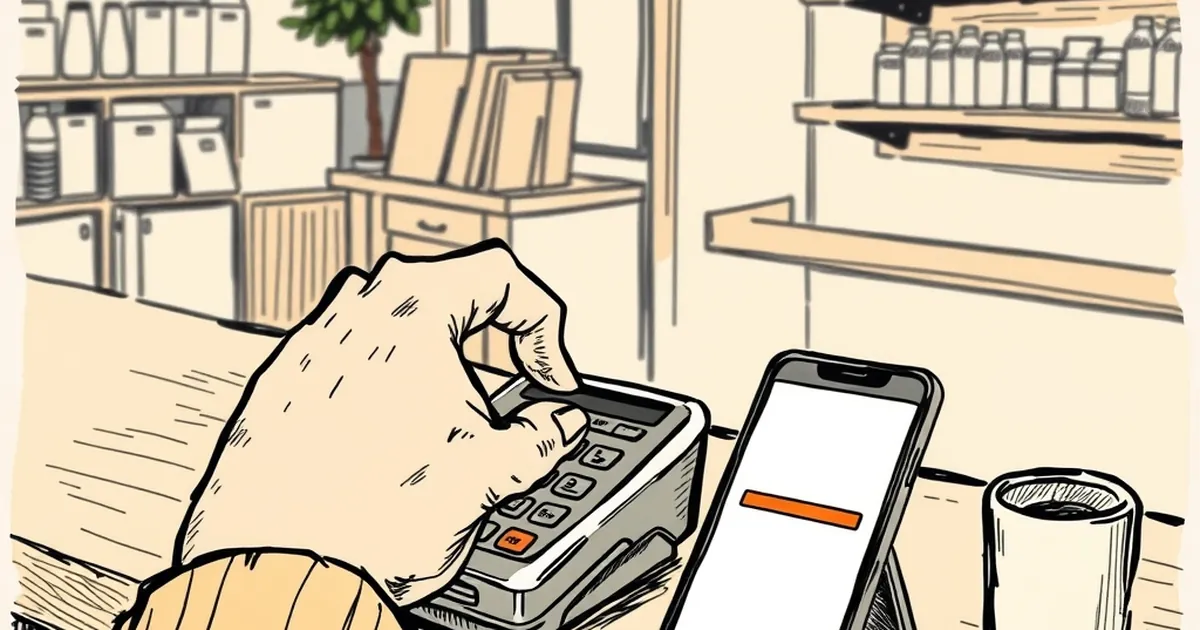
The three taps are the ones you do inside the casino cashier. The eleven are the ones you do in your bank app afterwards, mostly spent checking whether the money actually moved and whether anything else moved with it. That gap—roughly three versus eleven—is the real cost of a withdrawal, and it's the part of the process nobody advertises.
The reason it matters in Australia specifically is that the cashier is no longer where the money lives. Since the Interactive Gambling Act amendments took effect in September 2017, most licensed online casino operators won't take a card deposit or pay out to an Australian bank account at all. What's left is a layer of intermediaries—e-wallets, prepaid vouchers, crypto, sometimes a "pay by" service that fronts the cash and chases you later—and each hop adds a step that your bank app will eventually notice.
The cashier is designed to feel shorter than it is
Open any cashier and the withdrawal screen looks like a three-step form. Pick a method, enter an amount, confirm. The interface is deliberately frictionless because friction is where players abandon. But the three taps are a front end. Behind them sit a queue of things that happen on someone else's schedule.
A typical withdrawal on an e-wallet might clear in under an hour if it's processed before the operator's daily cut-off, which is often something like 3pm AEST on a business day. Miss that cut-off on a Friday and you're looking at Monday or Tuesday, because the operator's payments team doesn't work weekends and neither do some of the wallet providers' settlement windows. Bank transfers are slower again—one to three business days is the common range, and that's before your own bank decides whether to hold the incoming amount.
So the cashier's three taps end at "request submitted." Everything after that is invisible until it hits your bank.
Where the eleven taps come from
The eleven taps aren't literally eleven on every occasion, but the pattern is consistent enough to be recognisable.
Tap group one: confirming the request went through. You check the cashier transaction history, then the email, then the wallet or bank app. That's three or four before you've learned anything new.
Tap group two: reconciling the amount. Withdrawals frequently arrive net of fees, or split across two transactions if part of the balance came from a bonus with a different withdrawal rule. A $500 request can land as $468.40 and a separate $31.60, and you'll spend a few taps working out why.
Tap group three: the bank's own checks. Australian banks have become noticeably more active on gambling-adjacent transactions. Several have imposed blocks or restrictions on certain merchant categories, and an incoming amount from a wallet that's known for gambling traffic can trigger a review. That's a notification, a tap, sometimes a call.
Tap group four: the follow-up. If something's wrong, you're into live chat, and live chat means verifying your identity again, which means finding the document you uploaded eight months ago.
Add it up and the asymmetry is obvious. The operator optimised the three taps. Nobody optimised the eleven.
A note on the verification step
Most of the pain concentrates at one point: the first withdrawal. Australian operators are required to verify identity before paying out, and many now do it before you can withdraw at all. If you haven't completed verification before your first request, expect the three taps to become three taps plus a wait plus a document upload plus another wait. Do it on a quiet Tuesday, not at 11pm on a Saturday when you've just won something and want the money in your account.
The numbers that actually predict your wait
Forget the marketing copy on the cashier page. Three figures tell you more about how long the eleven taps will take.
The first is the operator's withdrawal processing time, which is distinct from the payment method's settlement time and is usually buried in the terms rather than the cashier. Anything over 24 hours is a warning sign.
The second is the cut-off time. An operator that processes at 3pm will treat a 3:05pm Friday request as Monday. That's a three-day difference created by five minutes.
The third is whether the method is reversible. Card withdrawals are frequently reversed and reissued as a bank transfer, which restarts the clock. E-wallets are less prone to this. Crypto is fastest but brings its own audit trail and tax questions, and it's a poor fit if you want the money to land in a normal Australian account without a second conversion step.
As a rough benchmark: a well-run operator on an e-wallet with a morning cut-off will get funds to you within 24 hours about 80% of the time. A poorly-run one on a card withdrawal can stretch to five business days without anything actually going wrong. Same three taps. Very different eleven.
Why the bank app is the honest interface
There's something clarifying about the bank app. It doesn't have a welcome bonus, it doesn't have a loyalty tier, and it doesn't care whether you come back. It just shows you what arrived and when.
That makes it a better record of your actual gambling activity than any operator dashboard. If you're trying to keep an eye on what you're spending—and the numbers suggest a lot of Australians should be, given that gambling expenditure per adult sits among the highest in the developed world—the bank app is where the truth is. The cashier shows you a balance that includes bonus funds you can't withdraw. The bank app shows you what you actually got.
A practical habit: check the bank app before you deposit, not after you withdraw. If the last three gambling transactions are all in the same week, that's information the cashier will never show you.
The question the three-tap design avoids
Here's the thing worth sitting with. The cashier is engineered to make money feel like it moves instantly in one direction and slowly in the other. Deposits clear in seconds; withdrawals take days. That asymmetry isn't an accident of banking infrastructure—it's a design choice, and it's one that quietly encourages you to leave funds in the account rather than pull them out.
So the open question isn't really how to shave taps off the withdrawal. It's why the three taps exist at all when the eleven are unavoidable. If an operator can take your money in under a minute, the honest version of the cashier would show you the eleven taps up front—the cut-off time, the processing window, the bank's likely review—before you hit confirm, not after. Until one does, the bank app remains the only screen in the process that isn't trying to keep you on it.