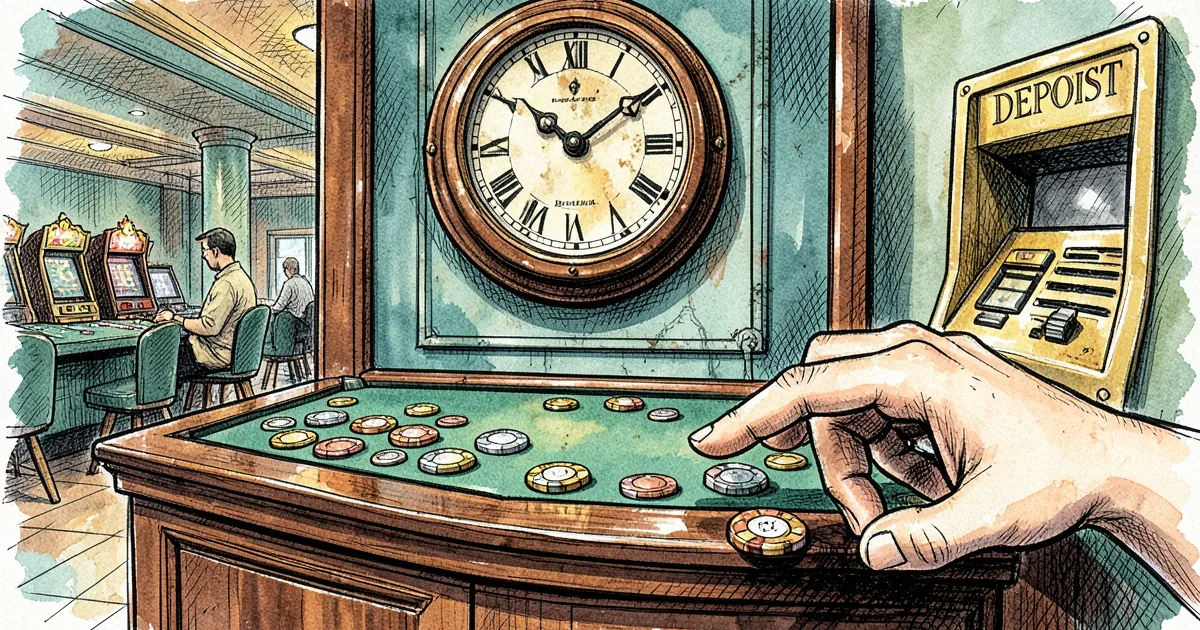
What the bonus clock starts counting before you deposit
The bonus clock starts before your deposit clears, quietly running down wagering time while your funds are still in transit
The bonus clock starts before your deposit clears, quietly running down wagering time while your funds are still in transit
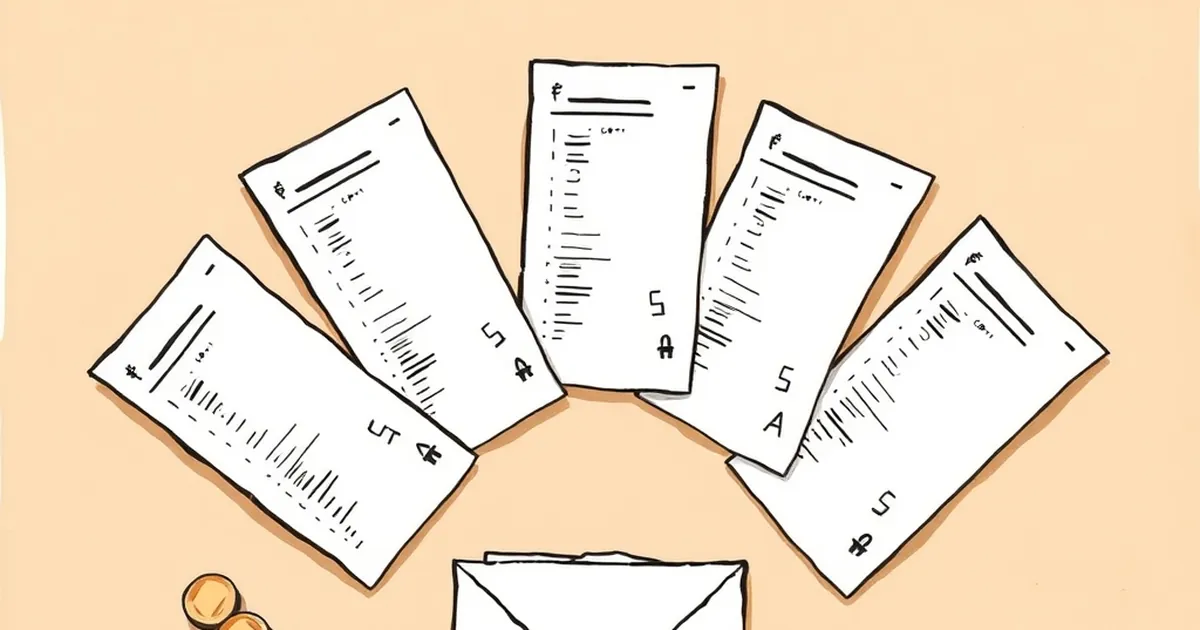
Your deposit method quietly sets the fee on a $200 withdrawal, with $9.40 separating the best and worst of four tiers
Why digital reward systems cap out just as human motivation warms up, and what that ten-second moment reveals about product psychology
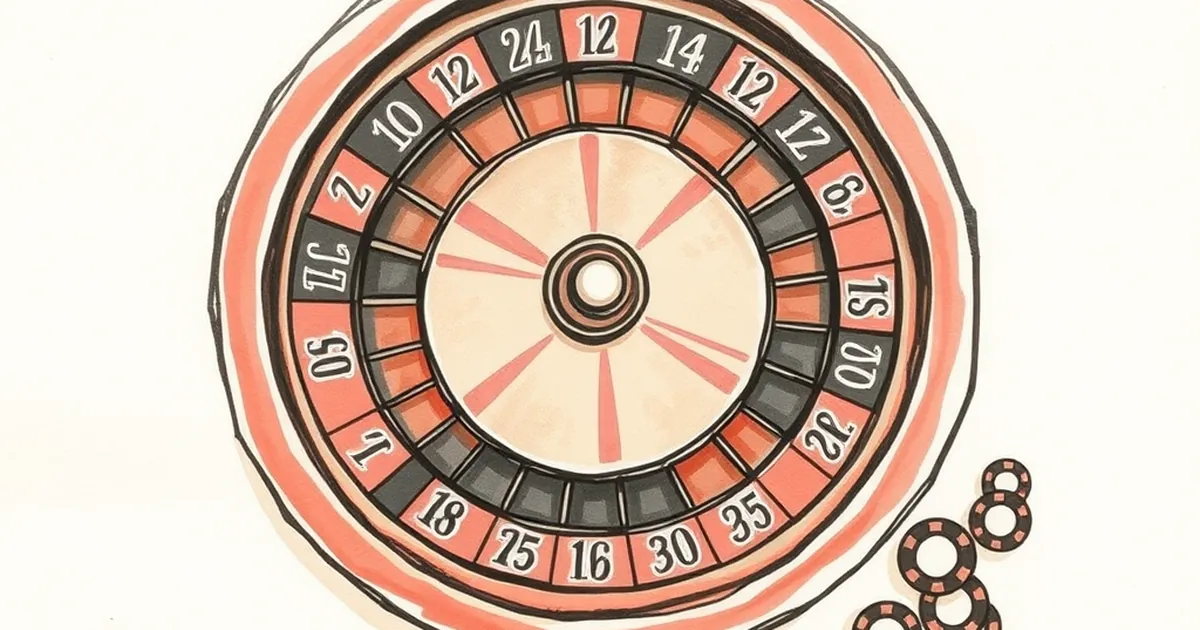
Roulette’s 2.7% house edge comes from pure arithmetic: 37 pockets, 36-to-1 true odds, and a 35-to-1 payout that quietly keeps one unit on every spin

Slots load in 1.2 seconds while bonus terms take 40 minutes to read, revealing a deliberate design asymmetry that costs players real money
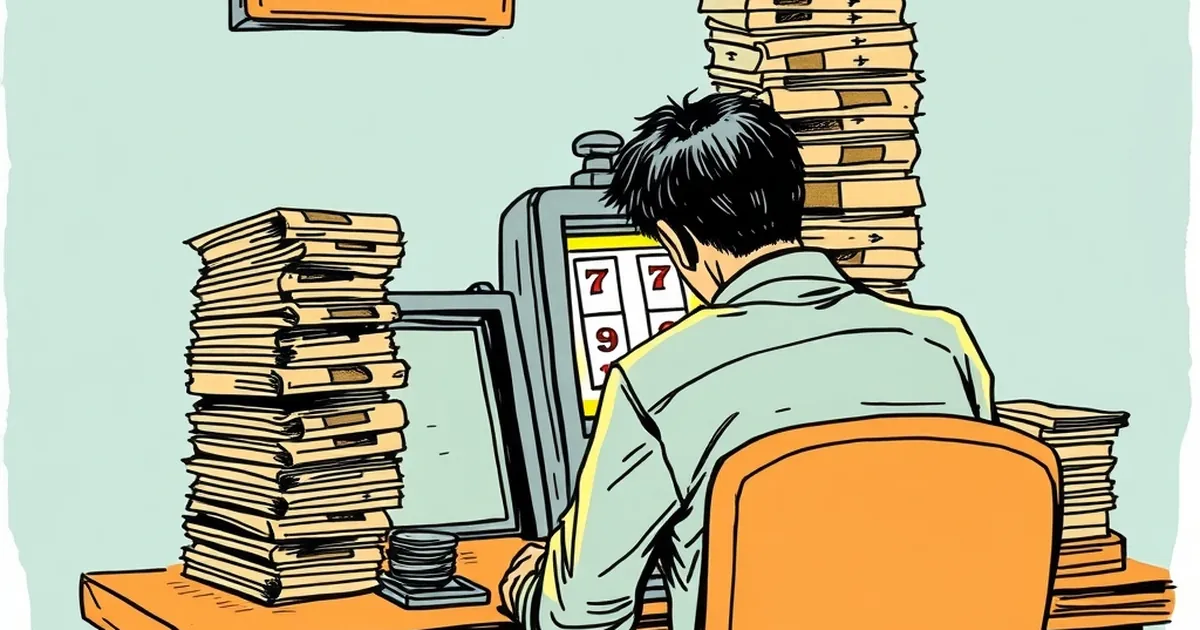
A $500 bonus at 60x needs $30,000 in bets, and the gap between the promo figure and your $3 balance is pure arithmetic, not a glitch

A 12% skill score gain is measurable but misses the 88% of user behavior that reveals hesitation and lost confidence
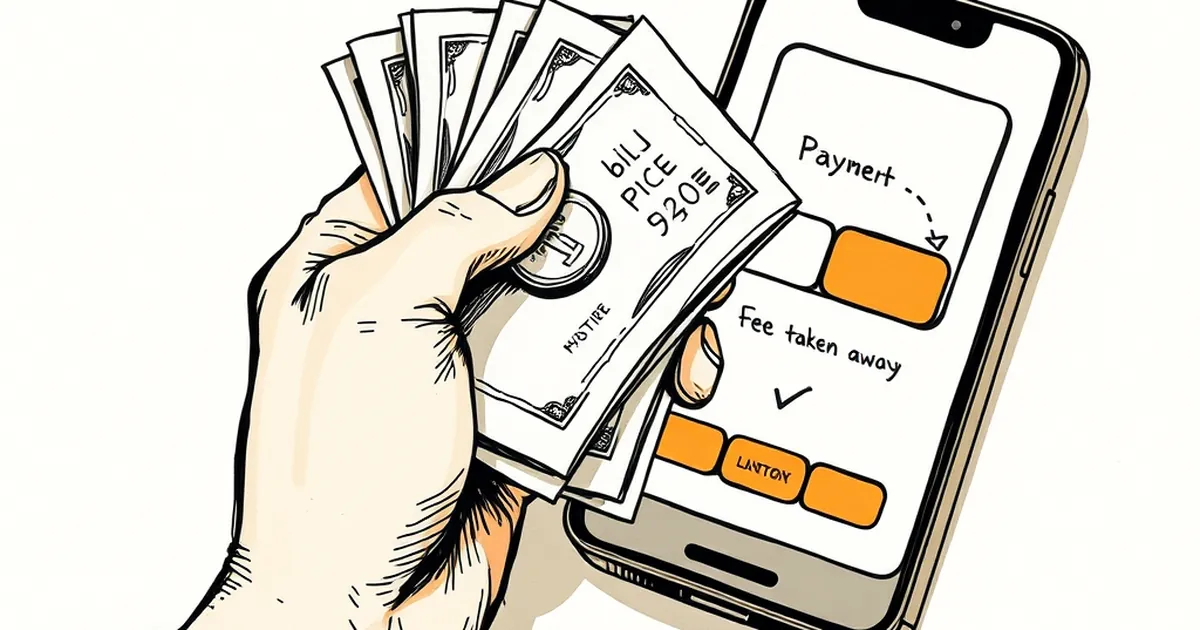
A 3% fee on a $200 cash-out costs $6, but applied to regular withdrawals it can quietly add up to $150 a year in fees most players never notice

A 50x wagering requirement on a $100 bonus means $5,000 in total stakes, and the real cost depends on numbers the banner never shows

A 14-field sign-up form reveals how Australian sportsbooks sequence compliance, placing the tax file number request at field twelve before deposits

Early progress feels rewarding by the third repetition, but genuine mastery takes closer to eleven—and that gap shapes how developers scope and price work

Slot paytables list 12 symbols, but the scatter often sits three scrolls down, revealing how a game's maths is weighted before you spin

Six-hour payout holds often hide near-empty queues, where pending withdrawals clear in minutes despite the advertised wait times

Australian betting apps now auto-settle multis at three legs, quietly shifting the maths on every five-leg build you place

Near-miss feedback triples replay in games, yet business sites ignore it. How the win screen's missing loss signal costs you users