Live dealer tables cap at 7 seats — the waitlist shows 40
Live dealer tables cap at seven seats while waitlists hit 40, revealing how physical studio limits shape Australian online casino growth
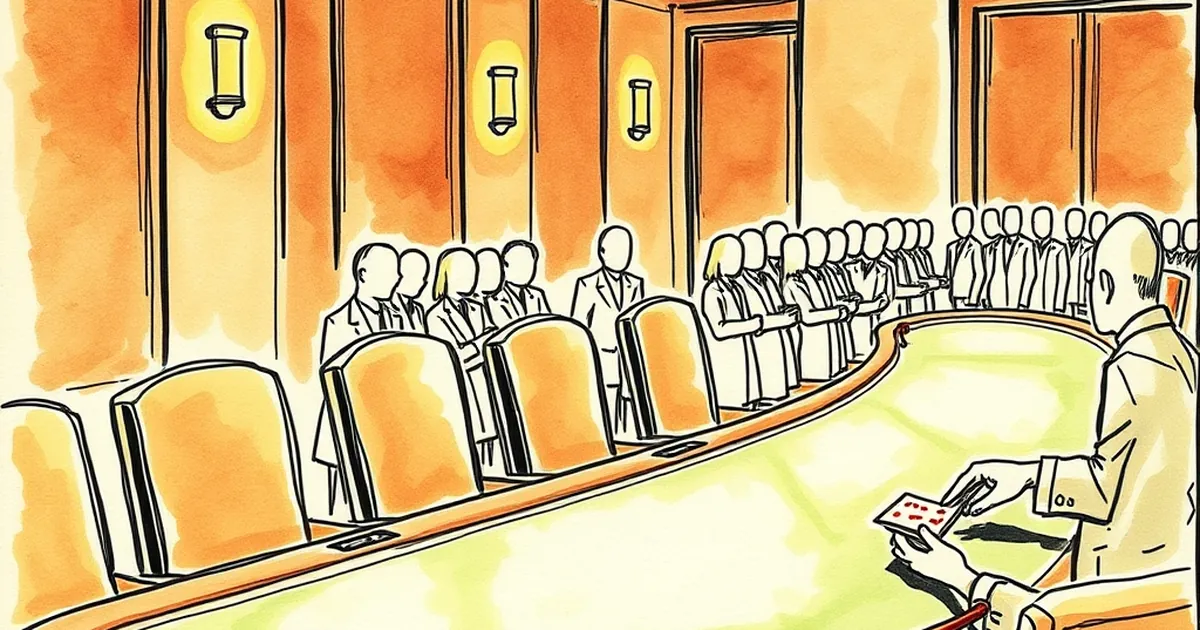
Seven seats per live dealer table, and a waitlist that ticks past 40 within minutes of peak-hour arrival. That mismatch is the whole story of live dealer growth in Australia right now — demand rising faster than studios can physically seat it. And because the constraint isn't software, it can't be patched away with a server upgrade.
Live dealer economics run on people, not processors. Every table needs a real dealer, a real camera crew in some setups, a real physical studio bay, and enough shuffle-and-scan hardware to keep the shoe moving. A virtual blackjack table can serve 50,000 concurrent players from one rack of servers. A live table serves exactly as many as it has seats — commonly seven for blackjack, sometimes nine for baccarat, and a handful of positions for roulette depending on the layout.
That asymmetry is why waitlists balloon. It's also why the experience, when you do get a seat, feels more like a real casino than anything a random number generator can produce. The tension between those two facts is what operators are currently trying to manage.
Why Seven Seats, Not Seventy
The number isn't arbitrary. It comes from what a single dealer can physically handle without slowing the game to a crawl.
A competent blackjack dealer can run a hand in roughly 25 to 40 seconds depending on player decisions, side bets, and whether the table is running a variant with extra steps. Push that to 12 seats and the average hand time climbs — more players means more decisions per round, more split and double opportunities, more time spent counting chips. The house edge doesn't change, but the rounds per hour collapses. Players notice. They leave.
Seven is the sweet spot most studios settled on after years of iteration. It's enough seats to make the table feel social and busy, but few enough that a hand still resolves in under a minute. Baccarat tables sometimes run nine seats because the game moves faster — fewer decisions per player, more automatic play. Roulette is different again; a single wheel can support 20 or more betting positions because players aren't competing for decision time, they're just placing chips on a felt that a camera pans across.
So the seat cap isn't a technical limit. It's a human one. And that's precisely why it's hard to scale.
The Waitlist Problem Isn't Just About Seats
When 40 people queue for a 7-seat table, the obvious fix is "open more tables." Operators do this — most large studios run dozens of tables simultaneously across blackjack, roulette, baccarat, and game-show style variants. But each new table is a new cost centre: dealer salary, studio floor space, camera and encoding hardware, and the back-end integration that connects it to each operator's platform.
There's also a scheduling problem. Peak demand in Australia clusters hard. Weekday evenings from roughly 7pm to 11pm AEDT, and weekend afternoons, are when waitlists bite hardest. Studios can't just hire dealers for four hours a night and expect them to stick around — training a live dealer takes weeks, and the skill set (card handling, camera awareness, multi-table fluency in some setups) doesn't transfer from other jobs easily.
The result is a capacity ceiling that moves slowly. A studio might add 10% more tables over a quarter. Demand during peak windows can spike 30% or more in the same period, especially around major sporting events or promotional weekends.
What Operators Actually Do About It
Most platforms handle the overflow in a few ways, none of them perfect.
- Priority seating for higher-value players. If you've wagered consistently, you skip the queue. This is common but rarely advertised clearly.
- Re定向 to less crowded variants. Speed blackjack, where players act simultaneously rather than in turn, can cycle more players through the same table. It's faster, but it strips out the social pacing that made live dealer appealing in the first place.
- Queue position displays. Some operators show your spot in line. Others just say "table full" and leave you guessing.
- Hybrid tables. A live dealer with digital betting interfaces that allow more seats without more physical positions. This is the growth area, but it's a different product wearing live dealer clothing.
The waitlist itself is often invisible to players until they try to sit down. That's a UX problem as much as a capacity one.
The Numbers That Matter
Here's a concrete anchor worth holding onto: a single live blackjack table at seven seats, running at a brisk 35-second average hand time, deals roughly 103 hands per hour. Multiply by seven seats and you get about 720 player-hand experiences per hour. A virtual table on the same operator's platform can serve that volume in under a second.
That gap — 720 versus effectively unlimited — is the entire business case for virtual tables, and also the entire reason live dealer retains a premium feel. Scarcity creates perceived value. When you finally get a seat, the game feels like something you earned access to, not something you clicked into.
But scarcity also creates friction. If a player logs in during peak hour, waits four minutes, and still doesn't get a seat, they don't queue patiently. They go play something else. Retention data across the industry consistently shows that session abandonment after a failed table join is high — often above 60% for casual players who were only mildly interested to begin with.
The Studio Side
Studios are caught between two pressures: operators want more tables to reduce waitlists, but studios need utilisation rates high enough to justify the cost. An empty live table is a pure loss — dealer wages, studio overhead, camera time, all burning with zero revenue. So studios deliberately run slightly below peak demand, accepting waitlists as the cost of not overbuilding for the 80% of hours when tables sit half-empty.
This is the same logic airlines use with seats. It's not a bug. It's a deliberate capacity decision.
What This Means If You're Playing
Practical implications, briefly:
- Peak-hour waitlists are structural, not temporary. They won't disappear. Plan around them or accept the queue.
- Speed variants trade atmosphere for throughput. If you want in fast, speed blackjack or similar will seat you quicker. You'll lose the table chat and the slower rhythm.
- Queue priority is often tied to your account history. If you're a regular, you may already have it. Worth checking your operator's terms rather than assuming.
- Set a time limit on waiting. If you're queuing more than two or three minutes, you're probably better off on a different table or a different game entirely. The house edge doesn't care whether you waited.
And the responsible gambling angle here is straightforward: waitlists can nudge players toward bigger bets or faster games to "earn" priority seating. That's a behavioural lever, whether operators intend it or not. If you notice yourself chasing a seat, that's a signal to step back rather than double down.
The Question Nobody's Answering Yet
The real question isn't whether studios can add more tables — they can, slowly. It's whether the seven-seat model survives the next wave of demand. AI-assisted dealers, pre-recorded dealer streams with live betting layers, and hybrid digital-live tables all promise to break the physical seat cap. But each one erodes the thing that made live dealer worth queueing for in the first place: the knowledge that a real person, at a real table, is dealing to you and six others, and that the seat you're sitting in is genuinely limited.
If the industry solves the waitlist by making live dealer feel less live, does it still count as the same product? Or does it just become a slot machine with a video feed attached?
That's the tension operators haven't resolved. And until they do, the waitlist stays at 40.