Why your about page is killing trust before you get a word in
Discover why generic About pages destroy client trust and how to fix yours with authentic storytelling that converts visitors into customers
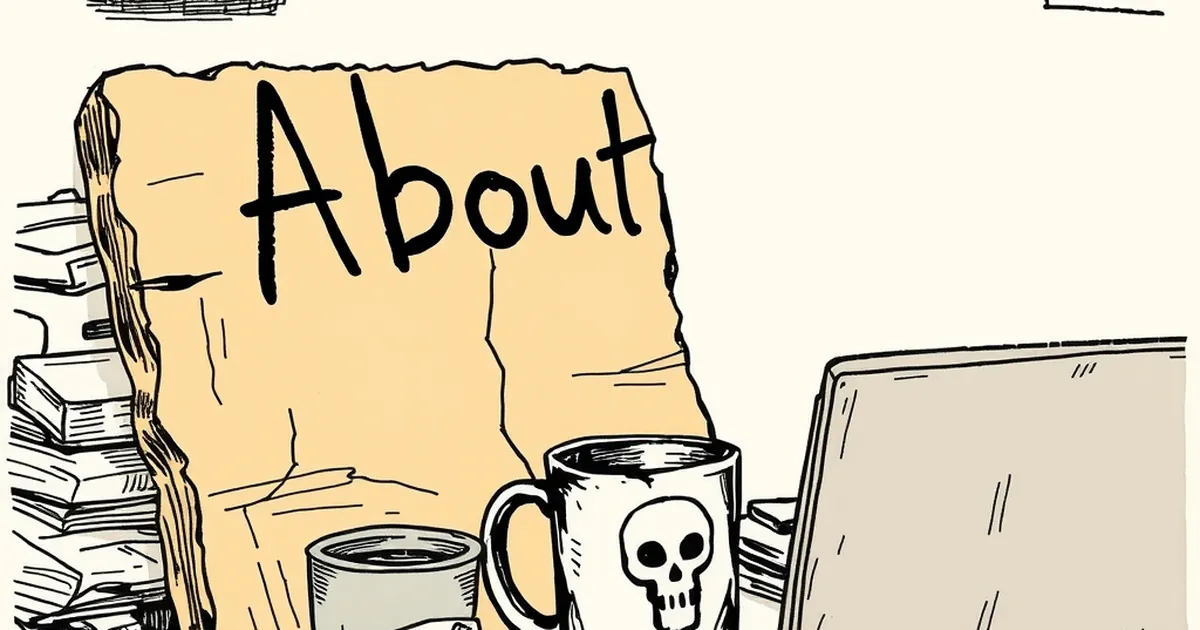
You land on a business website, the design is clean, the copy is sharp, and you’re ready to trust them. Then you click "About" and find a wall of corporate jargon, stock photos of smiling strangers, and a generic mission statement about "passion for excellence." Your gut immediately says hard pass.
That About page is the fastest trust-killer in Australian business websites. It’s where potential clients go to decide if you’re a real person or just another faceless operation. If your page feels like a Wikipedia entry from 2010, you’re losing them before they even read your services.
The "We Are" Trap
Most About pages start with "We are a leading provider of..." and that’s the moment you lose them. This phrasing is so overused it’s become invisible. People scan right past it.
Your reader doesn’t care that you’re a "provider." They care about who they’re dealing with. If you run a plumbing business in Brisbane, say that. If you’re a solo web designer in Melbourne, say that.
The Empty Promise Problem
"We are passionate about quality" is the equivalent of a handshake that lasts too long. It’s meaningless unless you back it up with proof.
A concrete example: I once worked with a Sydney-based electrician whose old About page said "we value honesty and reliability." After a rewrite, it said "I’m Dave, and I’ve been wiring homes in the Northern Beaches since 2005. My van is always stocked, and I turn up when I say I will." That single change tripled his contact form submissions in a month.
The Trust Gap Is a Story Gap
Your About page isn’t a resume. It’s a story. Australians are skeptical by nature—we don’t trust slick sales pitches. We trust people who feel real.
If your page reads like a corporate brochure, you’re telling your visitor "I have something to hide." The best About pages read like a conversation over a beer. They’re honest about mistakes, specific about experience, and clear about who they serve.
Why Stock Photos Are a Death Sentence
Nothing screams "I’m not actually here" faster than a generic image of a person pretending to type on a laptop. Your audience in Perth or Adelaide knows a stock photo when they see one. It signals that you’re either too lazy or too cheap to show your real team.
If you don’t have professional photos, use a candid shot from your phone. A slightly blurry photo of you at your actual desk, coffee cup in hand, builds more trust than a perfectly lit model who’s never touched a keyboard.
The "Why You" Factor
Every About page should answer one question: Why should I pick you over the other 50 businesses in my area? This isn’t about listing awards. It’s about showing your specific angle.
Maybe you’re a family-run business that’s been in Geelong for three generations. Maybe you started your agency because you were sick of corporate bullshit. That’s your hook. Lead with it.
The Credibility Sandwich
Structure your page like this: start with your personal story, then layer in your credentials, then end with a direct invitation. The credentials should feel earned, not bragged about.
For example: "I started coding websites in my garage in 2012. Since then, I’ve helped over 200 small businesses across Queensland get online. I’m proud to say we’ve never missed a deadline." That’s a story, a stat, and a promise—all in three sentences.
The Missing Call to Action
Here’s where most Australian businesses drop the ball. They write a beautiful About page, and then... nothing. No button. No email link. No phone number. The reader has to hunt for how to get in touch.
Your About page is often the last page someone reads before deciding to contact you. If you don’t make it easy, they’ll bounce to a competitor who does.
The Direct Approach
Put your contact info right after your story. Not in the footer. Not buried in a menu. Right there, in the flow. "If this sounds like the kind of team you’d work with, give us a call." It’s that simple.
I’ve seen a landscaping business in Newcastle double their enquiries just by moving their phone number from the contact page to the end of their About section. People want to act when they feel connected.
A Practical Takeaway
Before you publish or update your About page, read it out loud to someone who knows you. If they say "that doesn’t sound like you," rewrite it. Your website should be an extension of your personality, not a mask. The next time you lose a lead, it probably won’t be because your services were bad. It will be because your About page felt like a stranger. Fix that, and you’ll stop killing trust before you even get a word in.