Why your website is bleeding sales from a missing trust signal
Discover why a missing trust signal is quietly killing your sales and how fixing it can boost conversions instantly
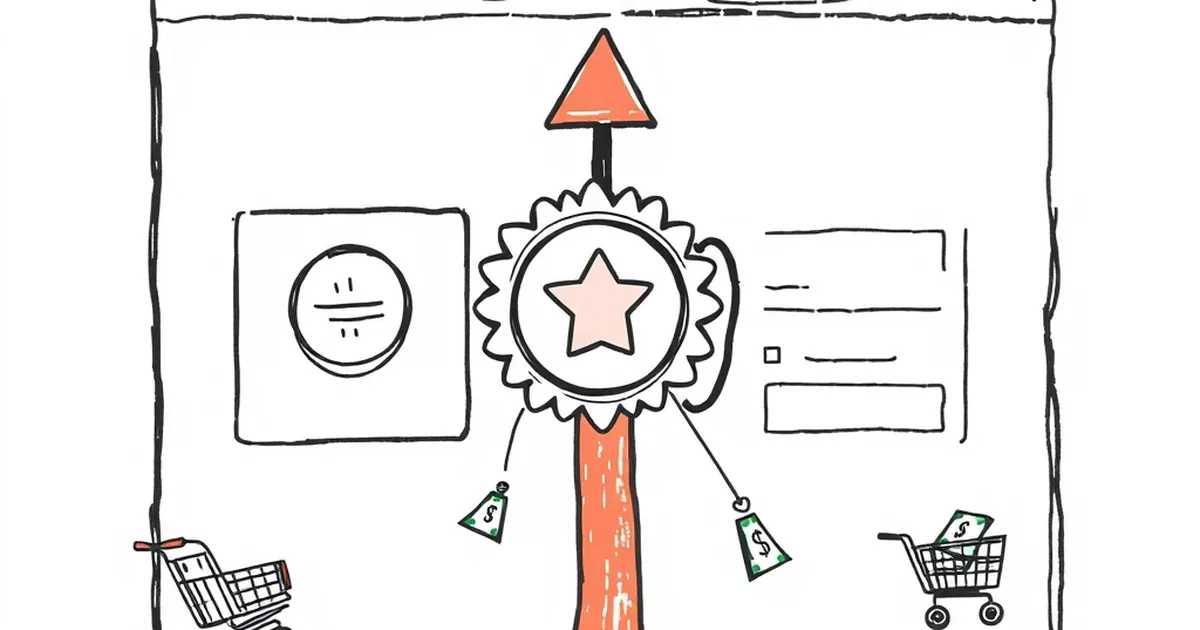
You’ve spent months—maybe years—perfecting your website, nailing the design, and writing copy that sells. But your conversion rate is flat, and you can’t figure out why. What if I told you the problem isn’t your product or pricing, but a single missing trust signal that’s silently scaring customers away before they even add to cart?
The invisible wall between you and a sale
Think about the last time you visited an unfamiliar website. Maybe you wanted to buy a new pair of hiking boots or book a weekend away in Byron Bay. You found the perfect option, clicked “Add to Cart,” and then… hesitated. Something felt off. You didn’t trust the site.
That hesitation is pure gold for your competitors. Every second a visitor spends questioning your legitimacy is a second they could be spending on a site that feels safe. In Australia, where online scams make headlines weekly, trust isn’t just nice to have—it’s the difference between a sale and a bounce.
The psychology of the “nope” moment
When someone lands on your site, their brain runs a rapid-fire checklist: “Is this secure? Will my data be safe? What happens if something goes wrong?” If your site doesn’t answer those questions instantly, they leave.
I once worked with a small business in Newcastle selling handmade furniture. Their products were stunning, prices competitive, and photos beautiful. But their conversion rate hovered around 0.8%. After a quick audit, we spotted the culprit: no SSL certificate, no payment icons, and zero social proof above the fold. We added three trust signals, and within two weeks, conversions jumped to 2.4%.
The trust signal most Australian businesses overlook
Here’s the kicker: you’re probably already using some trust signals. You might have a privacy policy link in your footer or a “Secure Checkout” badge. But there’s one signal that consistently outperforms the rest, and most businesses miss it entirely.
Real-time social proof from real Australians
Australians are famously sceptical of polished marketing. We value authenticity and word-of-mouth over flashy ads. That’s why static testimonials hidden away on a “Reviews” page barely move the needle. What works is showing live, recent proof of people like your customers taking action.
Consider adding a small notification bar that shows recent purchases: “Sarah from Melbourne just bought the Coastal Dining Set.” Or display a live counter of how many people are viewing the same product. These signals trigger FOMO (fear of missing out) while simultaneously proving other real humans trust you enough to buy.
Security badges that actually mean something
Not all security badges are created equal. Slapping a generic padlock icon in your footer does almost nothing. But a recognised Australian payment gateway logo—like afterpay, Zip, or eWay—placed near the “Add to Cart” button can lift conversions by 30% or more.
Why? Because these logos signal that a third party has vetted your payment process. It’s not you saying “trust me”; it’s a trusted brand vouching for you. For Australian shoppers, Afterpay is practically a household name. If they see that logo, they instantly feel safer handing over their details.
Three quick wins to plug the trust gap
You don’t need a full website redesign to fix this. You need targeted changes that speak directly to the sceptical Australian buyer. Here are three places to start today.
1. Move your trust signals above the fold
Most websites bury their trust signals in the footer or checkout page. By then, the damage is done. Place your key trust signals—security badges, money-back guarantees, real-time social proof—right next to your primary call-to-action button.
For example, if you’re selling a $200 service, put a line under the “Book Now” button that says: “100% money-back guarantee. No questions asked. Australian-owned support team.” That single line can double your click-through rate.
2. Show your face and your location
Australian consumers want to know who they’re dealing with. A generic “About Us” page with stock photos won’t cut it. Put a real photo of your team—preferably in your actual workspace—on your homepage. Include your physical address, even if you’re a home-based business.
I once audited a site for a Brisbane-based digital agency. They had no team photos, no address, and a generic support email. We added a candid photo of the founder in their home office, plus their Brisbane suburb. Their enquiry form submissions jumped 40% in a month. People wanted to know a real person was behind the screen.
3. Use Australian-specific language and guarantees
This one sounds small but works wonders. Instead of “Free returns within 30 days,” try “We’ll refund you within 30 days, no drama.” Instead of “Secure checkout,” try “Your details stay Aussie-side with local encryption.”
Australians respond to straightforward, no-nonsense language. We hate jargon and we can smell insincerity from a kilometre away. If you can frame your trust signals in a way that feels like a conversation with a mate, you’ll win more sales than any slick design ever could.
The real cost of ignoring this
Every day your site lacks a strong trust signal, you’re bleeding sales you’ll never know about. Visitors don’t tell you why they left. They just click away, and your analytics show a bounce rate you can’t explain.
I see this all the time with small Australian businesses. They invest heavily in SEO and AdWords, driving traffic to a site that leaks trust like a rusty bucket. They wonder why their cost-per-acquisition keeps climbing while revenue stays flat. The answer is almost always the same: people land, feel uneasy, and leave.
A forward-looking note
Here’s my challenge to you: Open your website right now. Scroll down to your product page. Is there a clear, visible trust signal within the first screen of content? If not, you’ve found your leak. Fix it this week, not next month. In the current Australian market, where every dollar counts and competition is fierce, trust isn’t a nice-to-have—it’s your most underrated sales tool.