Why your website’s chatbot is scaring off customers who need help now
Discover why your chatbot may be driving away customers and how to fix it for instant, helpful support
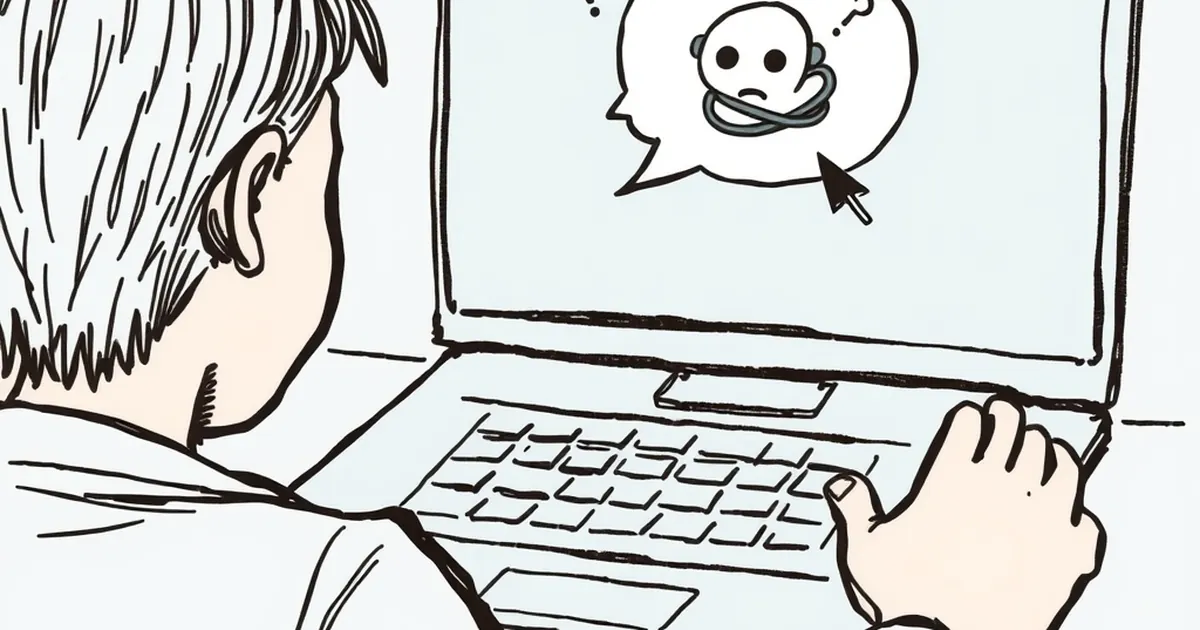
You’ve spent time and money adding a chatbot to your website, hoping it would answer questions fast and free up your team. But instead of smooth sailing, you’re watching visitors bounce faster than a cricket ball on a Perth pitch. If your chatbot is frustrating the very people who need help most, it might be doing more harm than good.
Let’s be honest: we’ve all been there. You land on a site, desperate for a quick answer, and the chatbot asks you to “Please select from the following options” in a loop that never ends. It’s like being stuck on hold, but with a robot. So, why is your chatbot driving customers away, and how do you fix it before they give up entirely?
The illusion of instant help
The biggest lie we tell ourselves is that any chatbot is better than no chatbot. It’s not. A poorly designed bot creates the illusion of support without ever delivering it. Customers see that chat window pop up and think, “Great, I’ll get help now.” Instead, they get a menu that doesn’t match their problem, or a response that sounds like it was written by a committee of lawyers.
Take a small business owner in Melbourne who runs a local bakery. They visit your e-commerce site to ask a simple question: “Do you deliver to Fitzroy on public holidays?” Your chatbot fires back with a list of FAQs about sourdough starter kits. The owner leaves, annoyed, and orders from a competitor who has a real phone number. That’s the cost of a bot that doesn’t listen.
When the bot becomes the barrier
The core issue is that many businesses treat chatbots as a cost-cutting tool rather than a customer service channel. They set it up once and never revisit it. But customer needs change, promotions launch, and your product range shifts. If your bot still thinks you only sell winter coats in January, it’s actively misleading people.
In Australia, where shoppers value directness and a bit of personality, a robotic, scripted bot feels cold. We’re a nation that appreciates a “no worries” attitude, not a rigid “I’m sorry, I didn’t understand that” loop. If your chatbot can’t handle a simple Aussie slang like “How much for a slab?” or “Do you price match Bunnings?”, you’re already behind.
The three specific ways chatbots repel customers
It’s not just about being annoying. There are concrete, measurable ways a bad chatbot chases away the very people who are ready to buy. Here are the three biggest offenders I see across Australian business websites.
1. The endless menu maze
You know the one. The chatbot asks you to pick from a list of five options. You click one, and it gives you five more. You click again, and it asks you to “refine your search.” By the time you’ve clicked through six menus, you’ve forgotten what you wanted in the first place.
This is terrible for mobile users, who make up a huge chunk of Australian traffic. Trying to tap through tiny menu buttons on a phone screen while standing in a queue is a nightmare. If your bot requires more than two clicks to reach a human, you’ve already lost the customer.
2. The “I don’t understand” loop
Nothing kills trust faster than a chatbot that keeps saying “I’m sorry, I didn’t understand that” or “Please rephrase your question.” It feels like talking to a wall. For customers who are already stressed—maybe their order hasn’t arrived, or a service has gone down—this is infuriating.
I once helped a tradie in Brisbane who had a chatbot that couldn’t handle the phrase “my invoice is wrong.” It only recognised “invoice” and “payment.” Every time a customer typed “wrong,” it offered them a payment link. The tradie lost three solid jobs in one week because customers assumed he didn’t care about billing errors. The bot was technically working, but it was failing at the one job it had: understanding intent.
3. Forcing the bot when a human is needed
Some businesses are so scared of giving up control that they force the chatbot to handle every single query, even the complex ones. This is a mistake. There’s no shame in a bot that says, “Let me hand you over to a real person who can help.” In fact, that’s a sign of a mature system.
Customers don’t mind a bot for simple stuff like store hours or return policies. But if they’re asking about a custom quote, a warranty claim, or a technical issue, they want a human. If your bot blocks that path, they feel trapped. They’ll close the tab and call a competitor who picks up the phone.
How to fix your chatbot without starting over
The good news is you don’t need to scrap your chatbot entirely. Most of these problems are fixable with a bit of strategy and a willingness to listen. Here’s how to turn your bot from a liability into a genuine asset.
Give it a clear off-ramp
The single most important change you can make is to give customers a quick, obvious way to reach a human. Put a button that says “Talk to a person” right at the top of the chat window. Don’t bury it in a menu. Don’t make them type “agent” three times.
In Australia, where service culture is king, this builds immediate trust. It shows you’re not hiding behind technology. Customers will often try the bot first if they trust that a human is just one click away. It’s counterintuitive, but giving them an escape route makes them more willing to use the bot.
Train your bot on real conversations
Stop guessing what customers will ask. Look at your actual email inbox, your phone call logs, or your live chat transcripts. What are the top ten questions people ask every week? Write those down. Then, program your bot to answer those specific queries in plain English.
If you run a hardware store in Newcastle, your bot should know the difference between “Do you have galvanised bolts?” and “What time do you close?”. It’s not about being smart; it’s about being prepared. Spend an afternoon mapping out the real pain points your customers have, and your bot will instantly become ten times more useful.
Use simple, direct language
Your chatbot doesn’t need to sound like a corporate memo. Write its responses the way you’d talk to a mate over a counter. “Yeah, we’ve got that in stock” or “No worries, I can help with that” goes a long way.
Avoid jargon like “kindly” or “please be advised.” Australians see through that in a second. A conversational tone makes the bot feel less robotic and more like a helpful shop assistant. It won’t fool anyone into thinking it’s human, but it will feel less frustrating.
A practical takeaway for your business
Here’s the thing: your website’s chatbot is not a set-and-forget tool. It’s a living part of your customer experience that needs regular maintenance and a clear purpose. If you’re not willing to review its performance monthly, tweak its responses, and give customers a quick way to reach a human, you might as well turn it off.
The businesses that win in Australia are the ones that blend technology with genuine service. A chatbot that can say “No worries, I’ll get someone to call you back within ten minutes” is worth more than a dozen bots that can recite your FAQ page by heart. Start by giving your customers the off-ramp they deserve, and watch your bounce rate drop.