Why your website’s checkout flow hides fees until the final click
Discover why hidden fees at checkout are a deliberate design pattern costing Australian businesses customers and trust
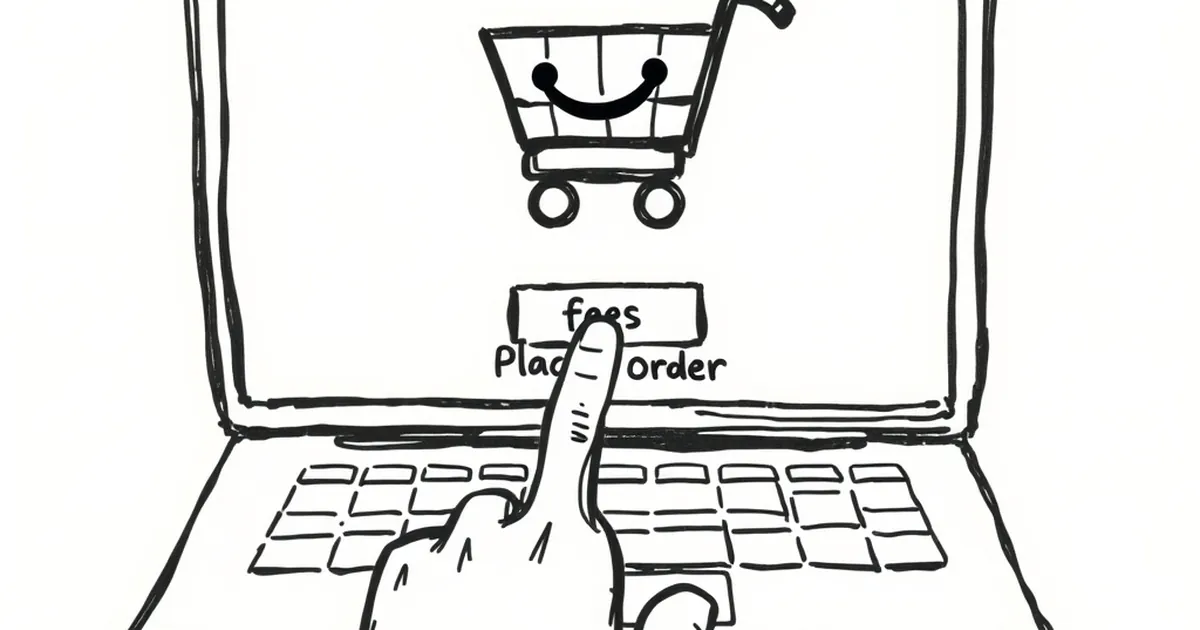
You’re on a site, you’ve found the perfect pair of boots, you’ve entered your address, you’ve even picked “Express Shipping” because you want them for the weekend. You click the final button, and suddenly the total jumps by $25. A “service fee”, a “processing fee”, a “card surcharge” that was never mentioned before the very last click. Why does this keep happening, and why do so many Australian businesses get away with it?
It’s not an accident. That hidden fee at the final click is a deliberate design pattern, and it’s costing you customers. The real question is: are you the business doing it to your own customers without realising it?
The psychology of the “drip price” trap
Retailers and service providers use something called “drip pricing” — they show you a low upfront price, then drip additional costs onto the total as you move through the checkout flow. It works because once you’ve invested time and emotional energy into a purchase, you’re far less likely to abandon the cart over a small additional fee.
Think about how many times you’ve sighed, rolled your eyes, and clicked “Confirm” anyway. That’s the sunk cost fallacy in action. You’ve already typed your name, your address, your credit card details. Walking away feels like wasting the last ten minutes of your life.
For Australian businesses, this tactic is particularly tempting because our market is smaller and more competitive. A $10 “booking fee” on a $200 flight might not seem like much, but it adds up fast when you’re processing hundreds of orders a day. The problem is, it also adds up in customer resentment.
Why your checkout flow might be hiding fees without you knowing
You might think your website is transparent, but many business owners are shocked when they actually walk through their own checkout as a customer. The fees are often buried in fine print, added by a third-party payment gateway, or simply assumed to be “obvious” to the customer.
Payment gateway surcharges
Most Australian payment gateways — Stripe, Square, Pin Payments — pass a percentage fee onto the merchant. Some merchants decide to pass that fee onto the customer. That’s fine, as long as you tell them before they start typing their card number.
The problem is that many websites only show the surcharge on the final confirmation page. You’ve already collected their details, their address, their phone number. They’re invested. They click through. And they feel cheated.
Shipping calculations that appear too late
This is the biggest offender. A customer sees a product for $89. They add it to cart. They go to checkout. Then they have to enter their postcode before the shipping cost appears — and suddenly the total is $119.
If you’re an Australian business shipping from Sydney to Perth, that’s a real cost. But hiding it until after they’ve entered their details is a surefire way to lose their trust. Show the shipping estimate on the cart page, not the payment page.
Service fees, booking fees, and “convenience” fees
These are the most frustrating because they feel the most arbitrary. A “booking fee” for an online booking system that costs you nothing to run. A “convenience fee” for using a credit card when the business already accepts cards.
If you’re charging these fees, be upfront about them. List them on the product page, or at least on the cart page before the customer enters their details. Hiding them until the final click is a fast track to negative reviews and abandoned carts.
The legal landscape in Australia
This isn’t just a customer experience issue — it’s a legal one. The Australian Competition and Consumer Commission (ACCC) has been cracking down on drip pricing for years. They took airline Jetstar and Virgin to court over it. They went after Ticketek and Eventbrite.
The law is clear: you cannot display a price that is not the minimum total price a customer will pay, excluding optional extras. That means if you’re charging a mandatory booking fee or a card surcharge, it must be included in the displayed price, or at least clearly disclosed before the customer starts the checkout process.
I’ve seen small businesses get hit with warning letters simply because their website showed a product price of $50, but the checkout added a $4.50 “processing fee” that wasn’t mentioned anywhere on the product page. The ACCC doesn’t care if you’re a small business. The law applies to everyone.
The real cost of hidden fees: abandoned carts and lost trust
Let’s be honest — you’re probably reading this because you’ve noticed your cart abandonment rate is higher than you’d like. Hidden fees are a major contributor to that number.
Here’s a concrete example. I worked with a Melbourne-based outdoor gear retailer a few years ago. Their checkout had a standard $12 shipping fee that only appeared after the customer entered their postcode. Their cart abandonment rate was hovering around 78%. We moved the shipping estimate to the cart page — just a simple “Shipping calculated at checkout” with a note that it started at $12. Within two months, abandonment dropped to 62%.
That’s not a massive change in design. It’s a massive change in trust. Customers felt like they knew what they were getting into before they committed.
Hidden fees also damage your brand’s reputation long after the transaction. People remember the feeling of being tricked. They tell their friends. They leave one-star reviews. In a small market like Australia, word of mouth travels fast.
How to fix your checkout flow without losing revenue
You don’t have to absorb all the fees yourself. You just have to be transparent about them. Here are three practical changes you can make to your website today.
Show the full price as early as possible
On your product page, include a note like “Includes GST and all applicable fees” or “Shipping calculated at checkout, starting at $10”. If you charge a card surcharge, mention it on the payment method selection page, not the confirmation page.
Use a progress indicator that shows costs upfront
A simple three-step checkout (Cart → Details → Payment) is much better than a single-page checkout that hides costs until the end. On the cart page, show the subtotal, estimated shipping, and any fees. Let the customer see the total before they start typing their address.
Be honest about optional extras
If you offer express shipping or gift wrapping, make those optional and clearly priced. Don’t pre-select them and hide the cost. That’s a dark pattern, and it’s illegal under Australian consumer law.
A forward-looking note on trust and conversion
The businesses that win in the long run aren’t the ones with the lowest prices — they’re the ones with the most trustworthy checkouts. Australian consumers are savvy. They’ve been burned by hidden fees on flights, tickets, and event bookings. They’re actively looking for businesses that treat them fairly.
If you redesign your checkout to be fully transparent — showing the total price before they enter a single piece of personal information — you will lose a few impulse buyers who might have clicked through. But you will gain loyal customers who come back because they know exactly what they’re going to pay.
That’s the real metric that matters. Not the conversion rate on a single session, but the lifetime value of a customer who trusts you.
Start with your own checkout. Walk through it as a customer. Screenshot every step. If you see a fee appear that wasn’t mentioned earlier, fix it. Your customers — and your business — will thank you.