Why your website’s loading animation is losing customers
Discover why your website’s loading animation is driving customers away and how to fix it for faster conversions
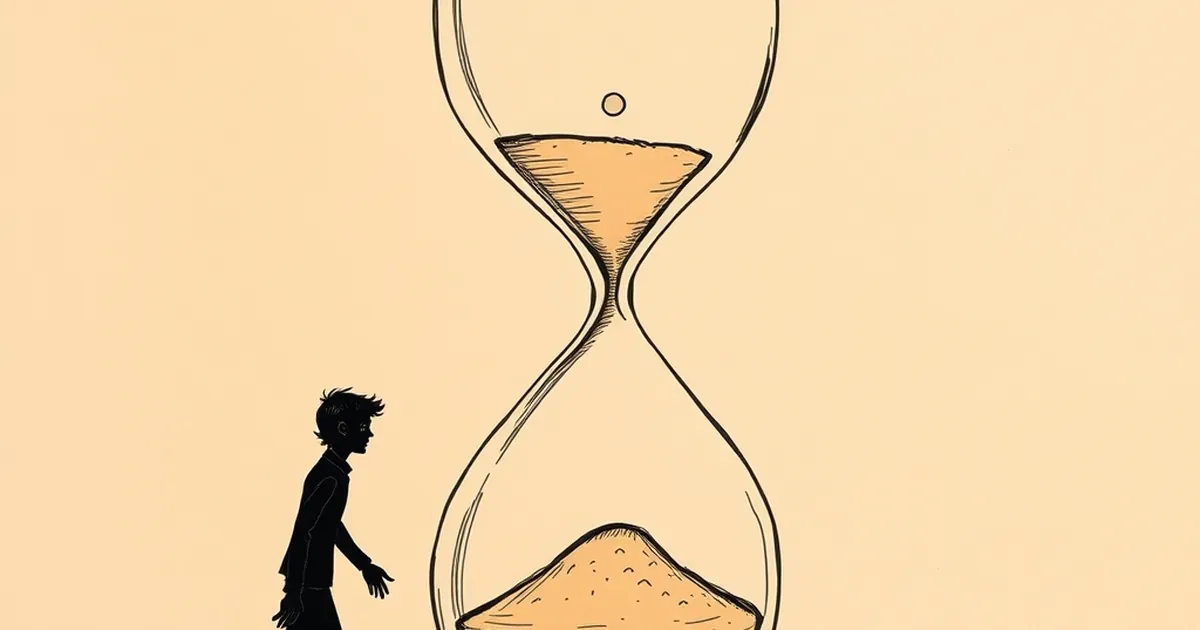
I’ve seen it happen more times than I care to count: a visitor lands on a website, the screen goes blank, and then a little spinner or a bouncing logo appears. They wait. And wait. Then, within seconds, they’re gone — off to a competitor’s site that loads faster and respects their time better.
That loading animation you thought was cute or clever? It’s actually costing you real customers. In Australia, where patience for slow digital experiences is notoriously thin, every second of that spinner is a silent goodbye to a potential sale. Let’s dig into why this happens and how to fix it before your bounce rate becomes a horror story.
The illusion of “keeping visitors engaged”
Why animations don’t buy you time
Many business owners think a loading animation acts like a digital pacifier — something to keep the visitor entertained while the real content loads. The logic seems sound: if you give them something to watch, they’ll stick around longer. But the reality is the opposite.
Studies from Google and other research firms show that users perceive time differently when they’re waiting. Even a two-second delay feels like an eternity when there’s nothing useful on screen. An animation doesn’t reduce that perceived wait; it just highlights that your site is slow. Visitors aren’t entertained — they’re reminded that your business isn’t ready for them.
The Australian patience threshold
Let’s get specific about your local audience. Australians are accustomed to fast internet, especially in major cities like Sydney, Melbourne, and Brisbane. The National Broadband Network has raised expectations, not lowered them. When someone clicks a link from a Google search or a social media post, they expect instant gratification.
If your loading animation spins for more than three seconds, you’ve already lost a significant chunk of that audience. They’ll hit the back button and try the next result — which is probably one of your competitors. In a market where trust is built on reliability, a slow loader screams “unprofessional.”
The real cost: conversions you never even had a chance at
The bounce rate trap
I once worked with a small e-commerce business in Newcastle selling handmade furniture. They had a beautiful, custom loading animation that showed their logo fading in and out. The owner loved it. But their bounce rate was hovering around 65% on mobile devices.
We removed the animation entirely and optimised their images and server response times. Within a week, bounce rate dropped to 42% and their conversion rate nearly doubled. The animation wasn’t adding value — it was actively pushing people away. The problem wasn’t their product or their copy. It was the delay itself.
Mobile users are especially unforgiving
More than half of Australian web traffic now comes from mobile devices. On a phone, every millisecond counts. Loading animations often require additional JavaScript and CSS that increase page weight and processing time. That means your animation is literally making the problem worse.
When a visitor is on a 4G or 5G connection in a coffee shop or on public transport, they’re not interested in your brand’s creative flair. They want information, a product, or a service — fast. An animation that loads before the content is a barrier, not a bridge.
When loading animations can actually work (and when they can’t)
The rare exceptions
I’m not going to tell you to never use a loading animation. There are specific scenarios where they’re acceptable — even helpful. For example, if you’re running a web application that processes large amounts of data, like a custom dashboard or a booking system, a progress indicator can reassure users that something is happening.
But notice the difference: in that case, the animation appears after the initial page has loaded, during a specific task. It’s not the first thing a visitor sees. It’s a functional tool, not a decorative curtain.
The common mistakes
Where most Australian businesses go wrong is using loading animations on standard marketing websites, blogs, or e-commerce stores. These are sites where speed is everything. If your homepage, product page, or contact form needs a loading animation, you’ve already failed at the most basic level of user experience.
Another mistake is using heavy, custom animations that take longer to load than the actual content. I’ve seen sites where the animation itself has to download before it can run — a paradox that makes the wait even worse. If your animation file is larger than your hero image, you’re doing it wrong.
What to do instead: practical alternatives that keep customers
Prioritise perceived performance
The best way to handle loading is to make it feel instant, even if it technically isn’t. Techniques like lazy loading images, preloading critical assets, and using skeleton screens (grey placeholders that mimic content layout) can dramatically improve perceived performance.
Skeleton screens are particularly effective because they give users a sense of structure and progress without the distraction of a spinning logo. They feel like the page is building itself in real time, which is far more engaging than a generic animation.
Optimise your actual load time
You can’t talk your way out of a slow site. If your server is slow, your images are unoptimised, or your code is bloated, no animation will save you. Start with the fundamentals:
- Compress images to modern formats like WebP
- Enable browser caching
- Use a content delivery network (CDN) with Australian edge servers
- Minimise JavaScript and CSS files
These steps will reduce your load time by seconds — often more than enough to make that loading animation unnecessary. Tools like Google PageSpeed Insights or GTmetrix can give you a clear picture of where you’re losing time.
Test with real users
Before you decide to keep or remove your loading animation, test it. Use tools like Hotjar or Microsoft Clarity to watch session recordings. See how many users actually wait for your animation to finish versus how many leave immediately. The data will speak louder than any opinion.
I’ve run these tests for clients across Australia — from cafes in Byron Bay to law firms in Perth — and the results are almost always the same. The animation is a net negative. People don’t care about your brand’s visual flair if they can’t get to your content.
A forward-looking note on speed and trust
Here’s the thing: your website isn’t just a digital brochure. It’s a storefront, a reception desk, and a salesperson all rolled into one. Every time a visitor lands on your site, they’re forming an opinion about your business in milliseconds. A loading animation doesn’t buy you goodwill; it burns it.
The businesses that will thrive in Australia’s competitive online landscape are the ones that treat speed as a feature, not an afterthought. Instead of asking “how can I make my loading animation look cool?”, ask “how can I get my content in front of the user as fast as possible?”. That shift in thinking will do more for your conversion rates than any fancy spinner ever could.
So, go ahead and delete that loading animation. Your customers — and your bottom line — will thank you.