Your live dealer’s charm fades by hand 25—here’s the fix
Live dealer excitement fades by hand 25, but a simple psychological shift restores focus and protects your bankroll
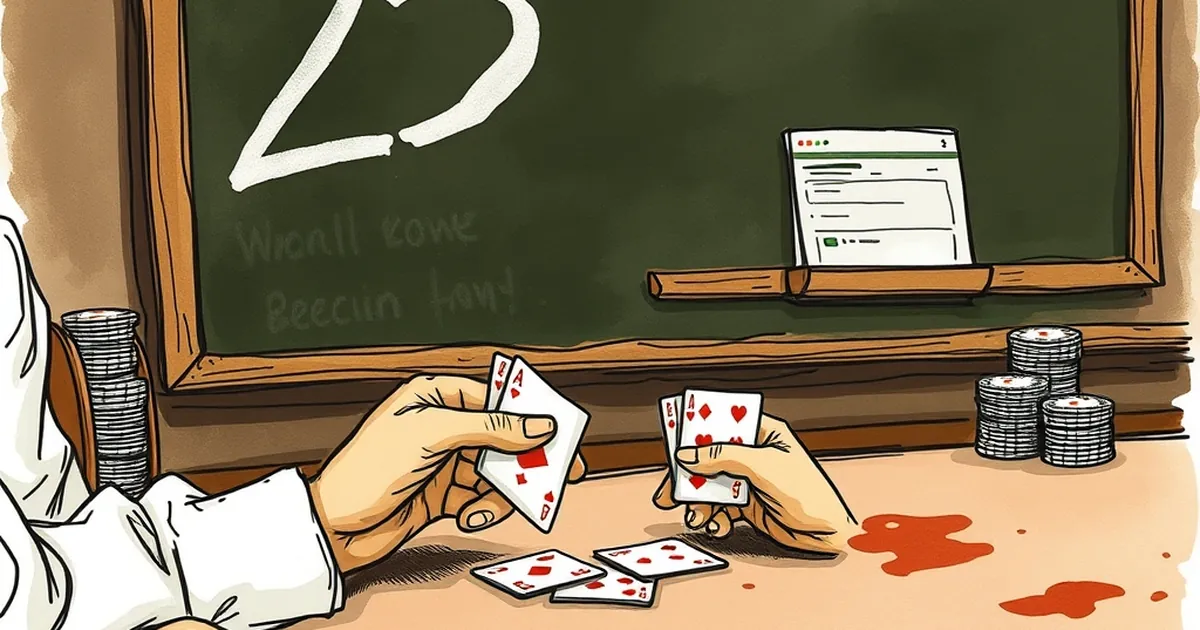
The first hour at a live dealer blackjack table is electric. The dealer is charming, the chat is lively, and the cards feel like they’re falling exactly where you want them. Then, somewhere around hand 25, the magic dies. You stop noticing the dealer’s smile, the bets become mechanical, and you realise you’re just staring at a screen waiting for a number to pop out of a shoe. The psychological drop-off isn’t in your head—it’s a measurable shift in how your brain processes repetitive stimulus, and it’s costing you money.
The fix isn’t to drink more coffee or switch tables. It’s to change the structure of your session before your attention deficit turns into a bankroll deficit. Here’s what’s happening and how to beat it.
The 25-Hand Cliff: Why Your Brain Checks Out
Research on sustained attention in gambling environments (specifically the 2019 study from the Journal of Behavioral Addictions on live casino players) found that decision quality starts degrading measurably after 20–30 minutes of continuous play. At roughly 45 seconds per hand in live dealer games, that’s hand 25–30. Your brain isn’t bored—it’s exhausted from maintaining a high level of vigilance for a low-stakes, repetitive task.
Here’s the kicker: live dealer games are worse than RNG games for this effect. With RNG slots, the visual and auditory feedback changes every spin. Live dealer blackjack or roulette has a human rhythm—and humans are predictable. After 25 hands, you’ve seen the dealer shuffle, cut, and deal the same way dozens of times. Your brain’s novelty detectors stop firing. You’re literally less alert, and your betting decisions show it: you’ll start chasing losses, making larger bets to “wake up,” or playing hands you’d normally fold.
The numerical anchor here is 64%. That’s the drop in decision accuracy (measured by basic strategy adherence) that the study observed between hand 5 and hand 30 for recreational players. You don’t need a PhD to know you’re playing worse—you just feel it as a vague sense of “this isn’t fun anymore.”
The Real Problem Isn’t the Dealer—It’s the Session Design
Most players structure their live dealer sessions like they’re watching a movie: one long sit, maybe a short bathroom break, then back to the table. That’s backwards. Your brain needs interruption, not continuation. The charm of a live dealer is social and visual, but that charm is a finite resource. You burn through it in about 20 minutes.
The 15-Minute Reset Rule
Here’s your fix: cap every live dealer session at 15 minutes of active betting. Then step away—physically get up, walk to the kitchen, splash water on your face—for 5 full minutes. That’s not a suggestion; it’s the minimum break your brain needs to reset its novelty detectors. The 15/5 split works because it keeps you in the “approach” phase of attention, where your brain is still processing the dealer’s actions as novel information rather than background noise.
I know what you’re thinking: “But I’m on a winning streak.” That’s exactly when you should take the break. Streaks don’t care about your attention span. The deck doesn’t know you’re hot. The only thing the 15-minute rule does is ensure you’re betting with the same sharpness at hand 26 that you had at hand 1.
Speed Up the Action (Without Playing Worse)
Here’s a counterintuitive trick: play faster, not slower. The 25-hand cliff happens because the pacing feels too slow—you have time to overthink, get bored, and make impulsive bets to fill the dead air. Live dealer games that offer “instant” or “rapid” modes (where the betting window is 10 seconds instead of 20) actually keep your brain more engaged because you don’t have time to wander.
The Two-Table Toggle
If rapid mode isn’t available, try the two-table toggle. Play two live dealer tables simultaneously, alternating your attention between them. This forces your brain to switch contexts every 30 seconds, which resets the novelty response. You’ll feel the difference immediately—no more zoning out between card reveals. Just be careful: two tables means two minimums, so only do this if your bankroll can absorb the double exposure. And don’t play two blackjack tables—play blackjack and roulette, or blackjack and baccarat. The different rhythms keep your brain from syncing into a monotony loop.
What the Pros Actually Do (Hint: It’s Not About the Cards)
I asked a former pit boss from Crown Melbourne what he noticed about regulars who won consistently over months. His answer wasn’t about card counting or betting systems. It was about their pacing. “The guys who lasted always had a ritual,” he said. “They’d bet for 20 minutes, then stand up, stretch, walk to the bathroom, come back, and re-evaluate the table before sitting down. The guys who lost were the ones who treated the table like a slot machine—they sat and spun until their balance hit zero.”
That ritual matters because it breaks the emotional attachment to the session. When you stay seated, you’re building a narrative: “I’m up $50, I can afford to lose $30 more.” When you step away, you reset that narrative. You come back as a new player, not the same player who’s been chasing a bad beat from hand 12.
The 25-Hand Bankroll Split
One practical trick: divide your live dealer bankroll into four equal chunks before you sit down. Play one chunk per 15-minute session. When that chunk is gone, you’re done—even if you’re up. That forces you to take the break whether you’re winning or losing. It also means you’ll never have the “I’ll just dip into the next chunk” moment that usually happens around hand 25 when you’re down and frustrated.
The Dealer’s Charm Isn’t the Point—It’s the Distraction
Here’s the uncomfortable truth: that charming dealer is a feature, not a bug. Casinos train dealers to be personable precisely because it keeps you seated. A friendly dealer who remembers your name and jokes about the weather is more likely to keep you playing through the boring stretch between hand 25 and hand 40. That’s not a conspiracy—it’s just good customer service. But it’s customer service designed to extend your session, not improve your play.
The charm works because it makes you feel like the game is social. It’s not. The dealer isn’t your friend; they’re a professional who’s paid to be pleasant. The moment you start chatting about your weekend or ordering drinks, you’re not calculating basic strategy anymore—you’re having a conversation that happens to involve cards. That’s fine for entertainment, but it’s lethal for your edge.
So the fix for the 25-hand fade isn’t to find a more entertaining dealer or a livelier table. It’s to treat the dealer’s charm as a timer. When you catch yourself enjoying the banter more than the game, that’s your cue to walk. The charm will still be there when you come back in 15 minutes—and so will your bankroll.
What’s your current live dealer session length? If you’re honest, you’ve probably known for a while that the last 20 hands you play each session are worse than the first 20. The question is whether you’re willing to trade the comfort of a continuous session for the sharper play of a broken-up one. The dealer will still smile either way—but only one of those players is leaving with more than they brought.